What is hyaluronic acid?
Nowadays, we often hear the name of hyaluronic acid and see it in the ingredient list of many products.
Hyaluronic acid (hyaluronate, hyaluronan) is a non-sulfonated glycosaminoglycan that is part of connective, epithelial, and nerve tissues. One of the main components of the extracellular matrix is contained in many biological fluids (saliva, synovial fluid, etc.). It plays an important role in cell proliferation and migration.
The name "hyaluronic acid" was given to this substance in 1934 by the German scientists Karl Meyer and J.V. Posted by Palmer.
Hyaluronic acid is the main component responsible for the viscosity of synovial fluid. Along with lubricin, hyaluronic acid is also the main component of biological lubricant.
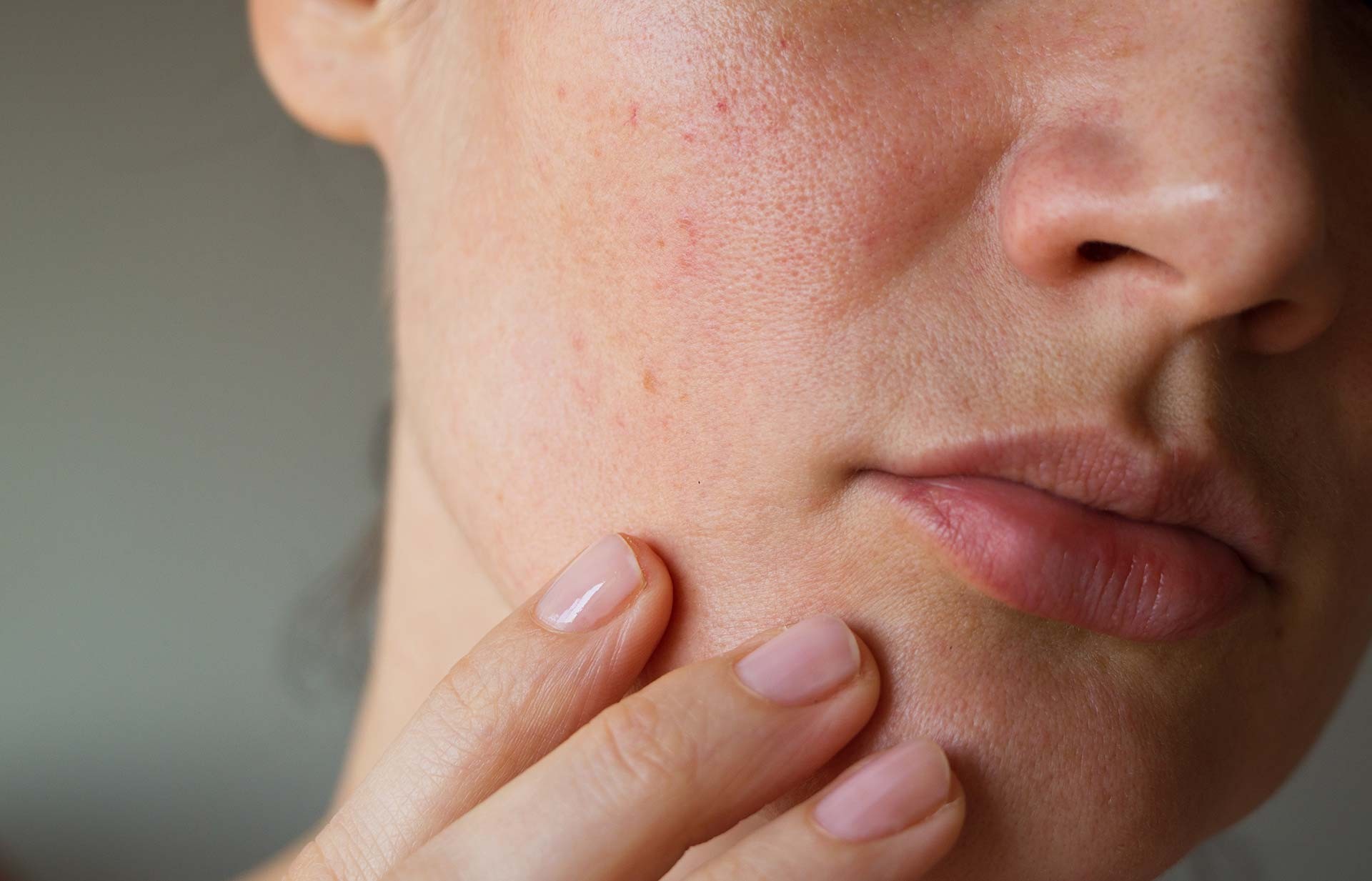
Firstly! Our skin naturally contains Hyaluronic acid, but sometimes due to external factors, we experience a certain amount of it lacking. We try to compensate for this with oral or topical applications. Hyaluronic acid is found and produced in the connective tissue of the skin and joints in our body. It is necessary to restore it only after age 25 when its amount in the body decreases. Its molecule can hold 1000 times its weight in water, thereby actively moisturizing the skin from the inside and out. This reduction leads to a loss of moisture and elasticity. That's why we need to include hyaluronic acid in our skincare to maintain our skin's moisture balance and support its elasticity.
Hyaluronic acid is a type of polymer with binding properties and is one of the main functions of skin health with its powerful moisturizing effect. Anyone interested in skincare and aiming to support skin elasticity should use this acid without delay.
Hyaluronic acid is the main component responsible for the viscosity of synovial fluid. Along with lubricin, hyaluronic acid is also the main component of biological lubricant.
How to use hyaluronic acid?
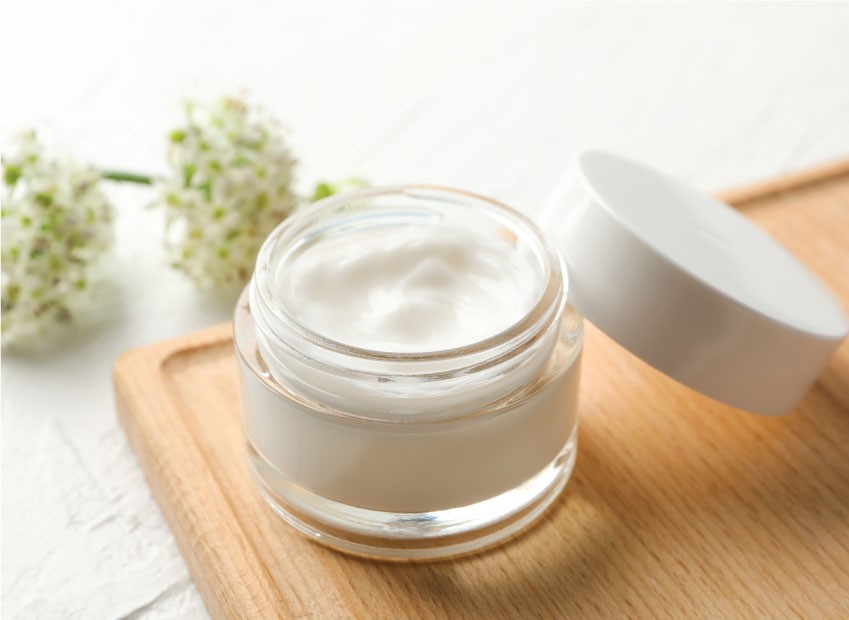
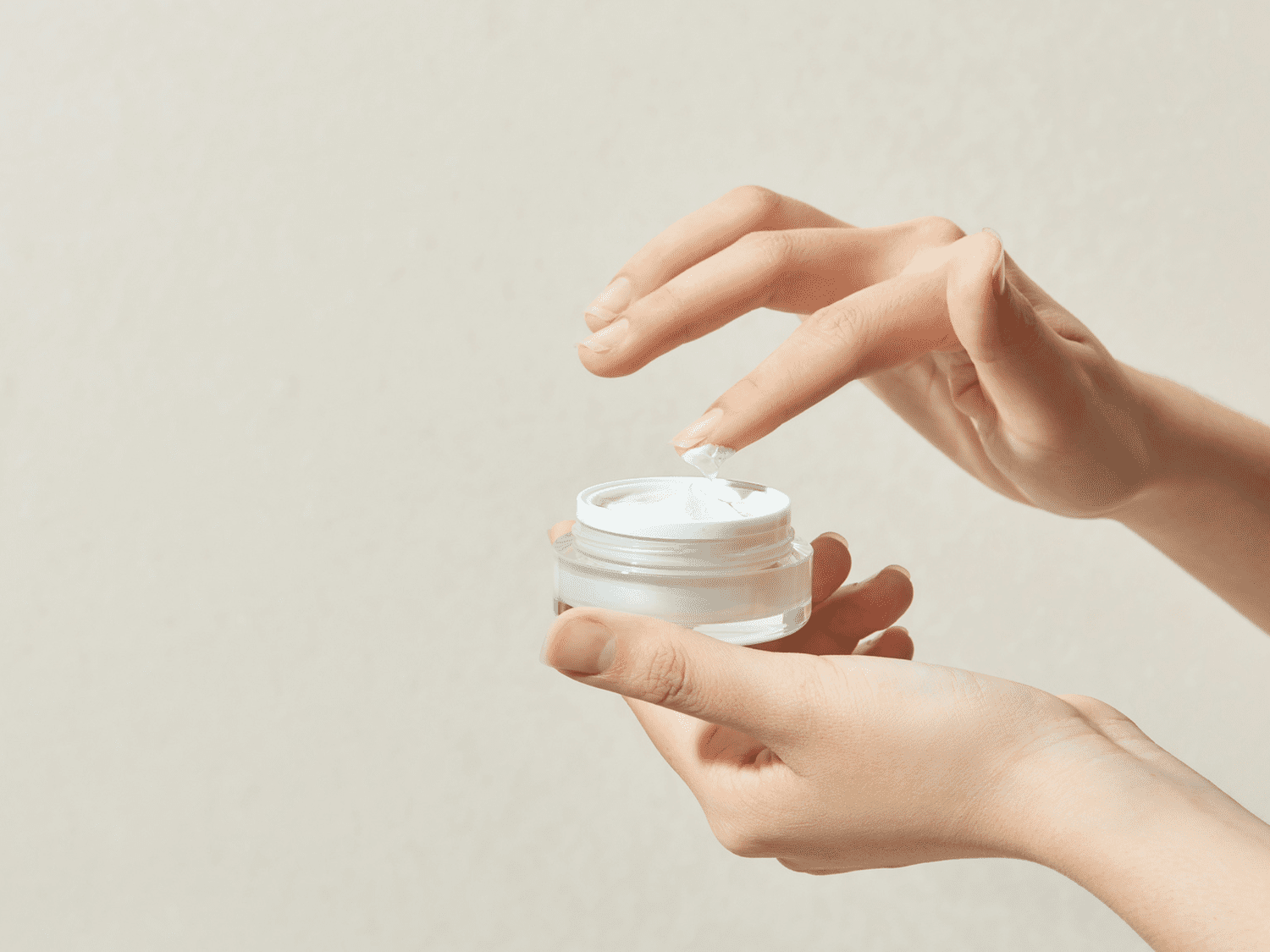
You can use this acid for your skin in different ways. The number of skin care products containing hyaluronic acid is quite large. Hyaluronic acid can be found in day and night creams, masks, serums, toners, and many other skin products. But if you are just starting to use this acid, you should pay attention to its compatibility with the products you are already using.
If you are being treated for acne or have medicines and creams that you use for various skin diseases, you should check the composition of the product that contains hyaluronic acid. Observing the side effects and tension of the product you are using on your face is important.
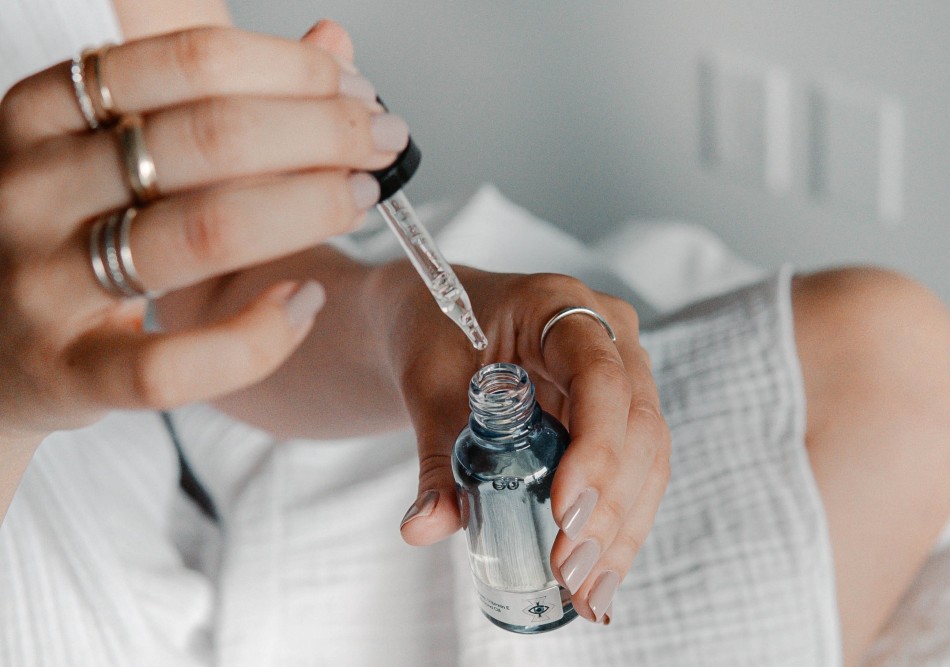
If you need a supportive moisturizing touch that will create a moisture effect on your skin without using creams and masks, you can choose a hyaluronic acid serum.
It helps the skin to look moist, bright, and soft. It is a serum that all skin types can use day and night. It provides the perfect solution for dry skin peeling and dull appearance complaints.
Can hyaluronic acid be used every day?
The content of hyaluronic acid varies depending on the routine and usage of the product you use.
If you use different active acids for your face and experience a negative effect, using the corresponding products in different routines is useful.
Hyaluronic acid mainly helps to relax the skin.
What is hyaluronic acid good for the skin?
It attracts moisture like a magnet and keeps it on the skin.
It supports and strengthens its natural protective barrier
Softens and smoothes rough and dry skin
Gives elasticity and shine to the skin
Smoothes wrinkles
Improves the lipid barrier
Nowadays, we often hear the name of hyaluronic acid and see it in the ingredient list of many products.
Hyaluronic acid (hyaluronate, hyaluronan) is a non-sulfonated glycosaminoglycan that is part of connective, epithelial, and nerve tissues. One of the main components of the extracellular matrix is contained in many biological fluids (saliva, synovial fluid, etc.). It plays an important role in cell proliferation and migration.
The name "hyaluronic acid" was given to this substance in 1934 by the German scientists Karl Meyer and J.V. Posted by Palmer.
Hyaluronic acid is the main component responsible for the viscosity of synovial fluid. Along with lubricin, hyaluronic acid is also the main component of biological lubricant.
Firstly! Our skin naturally contains Hyaluronic acid, but sometimes due to external factors, we experience a certain amount of it lacking. We try to compensate for this with oral or topical applications. Hyaluronic acid is found and produced in the connective tissue of the skin and joints in our body. It is necessary to restore it only after age 25 when its amount in the body decreases. Its molecule can hold 1000 times its weight in water, thereby actively moisturizing the skin from the inside and out. This reduction leads to a loss of moisture and elasticity. That's why we need to include hyaluronic acid in our skincare to maintain our skin's moisture balance and support its elasticity.
Hyaluronic acid is a type of polymer with binding properties and is one of the main functions of skin health with its powerful moisturizing effect. Anyone interested in skincare and aiming to support skin elasticity should use this acid without delay.
Hyaluronic acid is the main component responsible for the viscosity of synovial fluid. Along with lubricin, hyaluronic acid is also the main component of biological lubricant.
How to use hyaluronic acid?
You can use this acid for your skin in different ways. The number of skin care products containing hyaluronic acid is quite large. Hyaluronic acid can be found in day and night creams, masks, serums, toners, and many other skin products. But if you are just starting to use this acid, you should pay attention to its compatibility with the products you are already using.
If you are being treated for acne or have medicines and creams that you use for various skin diseases, you should check the composition of the product that contains hyaluronic acid. Observing the side effects and tension of the product you are using on your face is important.
If you need a supportive moisturizing touch that will create a moisture effect on your skin without using creams and masks, you can choose a hyaluronic acid serum.
It helps the skin to look moist, bright, and soft. It is a serum that all skin types can use day and night. It provides the perfect solution for dry skin peeling and dull appearance complaints.
Can hyaluronic acid be used every day?
The content of hyaluronic acid varies depending on the routine and usage of the product you use.
If you use different active acids for your face and experience a negative effect, using the corresponding products in different routines is useful.
Hyaluronic acid mainly helps to relax the skin.
What is hyaluronic acid good for the skin?
It attracts moisture like a magnet and keeps it on the skin.
It supports and strengthens its natural protective barrier
Softens and smoothes rough and dry skin
Gives elasticity and shine to the skin
Smoothes wrinkles
Improves the lipid barrier